Personal Injury, Wrongful Death & Sexual Assault Victims Law Firm










Drowning and Near-Drowning Injury Lawyer
Krupp & Raboin Law Firm Serving Missouri, Southern Illinois & Central IllinoisDrowning and near-drowning incidents can leave families with urgent questions about what happened and whether reasonable safety measures were missing. These incidents may occur at swimming pools, lakes, rivers, water parks, marinas, camps, apartment complexes, hotels, and other recreational areas.
Drowning and near-drowning cases may involve poor supervision, missing safety equipment, unsafe swimming areas, inadequate warnings, defective barriers, or delayed emergency response. When an incident could have been prevented through reasonable precautions, the property owner, operator, organization, or another responsible party may be held accountable.
Near-drowning incidents can also cause lasting injuries, including brain damage caused by oxygen deprivation, respiratory complications, and the need for long-term medical care. Families deserve clear answers about whether unsafe conditions or preventable safety failures contributed to what happened.
Krupp & Raboin represents people and families affected by serious recreational activity injuries in Missouri and Illinois. Our attorneys can investigate the circumstances, identify the parties responsible for safety, and help determine whether compensation may be available.
We recommend bookmarking this page for easy reference.
Table of Contents
Quickly Navigate To A Specific Section (opens in a new tab)
How Drowning and Near-Drowning Incidents Happen
Drowning and near-drowning incidents often happen when safety measures are missing, supervision is inadequate, or help does not arrive quickly enough. These cases may involve more than one safety failure, especially when the area is used by children, families, guests, or members of the public.
Inadequate Supervision
Swimming areas, camps, pools, and water parks may require trained staff, lifeguards, or other forms of supervision. When no one is watching closely, warning signs can be missed and emergency response may be delayed.
Missing Barriers or Access Controls
Pools and other water areas may become dangerous when gates, fences, locks, or warning signs are missing or defective. Children and other visitors may be able to enter unsafe areas without realizing the risk.
Unsafe Swimming Areas
Lakes, pools, rivers, and recreational water areas may have sudden drop-offs, strong currents, poor visibility, damaged drains, or other hazards. These conditions may become more dangerous when warnings, lifeguards, or safety equipment are not provided.
Missing or Defective Safety Equipment
Life jackets, rescue rings, ladders, reaching poles, and emergency equipment can make a critical difference. A drowning or near-drowning incident may be more severe when safety equipment is missing, damaged, or difficult to access.
Delayed Emergency Response
Quick action matters after someone is found in the water. Delays in calling for help, performing CPR, using emergency equipment, or providing trained assistance may worsen the outcome.
Boating and Marina Incidents
Drowning incidents can also happen after a boating crash, a fall from a dock, or an accident near a marina. Unsafe boat traffic, poor lighting, missing ladders, unstable docks, and a lack of flotation devices may all contribute to the risk.
Recognized By


Common Safety Failures
Drowning and near-drowning incidents may happen when reasonable precautions are not in place. Even one missing safety measure can delay rescue efforts or make a dangerous situation more difficult to recognize.
Common safety failures may include:
-
Inadequate supervision or a lack of trained lifeguards
-
Missing, damaged, or unlocked pool gates and barriers
-
A lack of warning signs near deep water, sudden drop-offs, or restricted areas
-
Missing or inaccessible life jackets, rescue rings, ladders, or reaching poles
-
Unsafe swimming areas with strong currents, poor visibility, or hidden hazards
-
Overcrowding at pools, water parks, camps, or recreational facilities
-
Delayed calls for emergency assistance
-
Staff members who are not properly trained to respond to water emergencies
The cause of an incident may not be clear immediately. Photographs, surveillance footage, witness statements, safety policies, staffing records, and maintenance documents may help show whether preventable failures contributed to what happened.
Supervision and Emergency Response
Proper supervision and a prompt emergency response can reduce the risk of a fatal or life-altering outcome. Staff members responsible for a swimming area should be able to recognize distress, respond quickly, and use available safety equipment.
Important safety measures may include:
-
Providing trained lifeguards or other responsible supervisors when appropriate
-
Monitoring swimmers closely instead of relying only on warning signs
-
Keeping rescue rings, reaching poles, life jackets, and other safety equipment accessible
-
Training staff members to recognize signs of distress in the water
-
Calling emergency services promptly when an incident occurs
-
Providing CPR and first-aid training for staff members responsible for water safety
-
Maintaining clear emergency procedures for pools, camps, hotels, water parks, and other recreational areas
An investigation may help determine whether adequate supervision was provided and whether delays in the emergency response affected the outcome.
Severe Injuries Caused by Near-Drowning Incidents
A near-drowning incident can cause serious injuries even when the person survives. The full impact may not be clear immediately, especially when the brain or lungs were deprived of oxygen.
When the brain does not receive enough oxygen, a person may suffer lasting neurological damage. These injuries can affect memory, speech, movement, concentration, and the ability to complete daily activities independently.
Respiratory Injuries
Water entering the lungs can cause serious breathing problems and other complications. A person may require emergency treatment, hospitalization, or ongoing medical care after the incident.
Some near-drowning incidents happen after a fall, diving accident, boating crash, or impact with a hard surface. These accidents may cause damage to the neck, back, or spinal cord and may affect mobility or sensation.
Cardiac Complications
A lack of oxygen can place significant stress on the heart. Some people may experience cardiac arrest or other serious complications that require immediate treatment and follow-up care.
Long-Term Cognitive and Physical Impairments
Severe near-drowning injuries may affect a person’s ability to work, attend school, communicate, or live independently. Rehabilitation, therapy, assistive equipment, and long-term support may be needed.
Some drowning incidents result in the loss of a loved one. When inadequate supervision, unsafe conditions, or delayed emergency response may have contributed to the death, the family may have the right to pursue a wrongful death claim.
Who Can Be Held Liable?
Liability in a drowning or near-drowning case depends on where the incident happened, what safety measures were in place, and who was responsible for supervision, maintenance, or emergency response. More than one party may be responsible when unsafe conditions and supervision failures contributed to the incident.
Property Owners
Property owners may be responsible when pools, lakes, docks, or other water areas are not reasonably safe. This may include hotels, apartment complexes, resorts, private clubs, restaurants, and rental properties.
Pool and Recreational Facility Operators
Operators of pools, water parks, camps, and recreational facilities may be responsible for maintaining safe conditions, providing appropriate supervision, and keeping rescue equipment accessible.
Schools, Camps, and Youth Organizations
Organizations responsible for children may be liable when supervision is inadequate, staff members are not properly trained, or emergency procedures are not followed.
A boat owner or operator may be responsible when reckless operation, failure to provide life jackets, excessive speed, or other unsafe conduct contributes to a drowning or near-drowning incident.
Marina and dock owners may be liable when missing ladders, unstable walkways, poor lighting, unsafe electrical systems, or other hazards make it difficult to prevent an incident or respond quickly.
Maintenance Companies and Contractors
Outside companies may be responsible for inspecting, repairing, or maintaining pools, docks, barriers, gates, drains, or electrical systems. Liability may arise when poor workmanship or missed repairs create a dangerous condition.
Government Entities
Some pools, parks, lakes, and recreational areas are owned or operated by public entities. Claims involving government property may be subject to special rules and deadlines. These cases should be investigated promptly so that evidence can be preserved and filing requirements can be addressed.
Determining liability may require a review of surveillance footage, witness statements, safety policies, staffing records, inspection reports, maintenance documents, and emergency response records.
Water Safety Standards
Property owners, operators, and organizations responsible for swimming areas should take reasonable steps to reduce the risk of drowning and respond quickly when an emergency happens. Consistent supervision, accessible rescue equipment, and clear safety procedures can make a critical difference.
Important water safety measures may include:
-
Providing trained lifeguards or other responsible supervisors when appropriate
-
Installing and maintaining fences, gates, locks, and other barriers around pools
-
Posting clear warnings near deep water, sudden drop-offs, currents, and restricted areas
-
Keeping rescue rings, reaching poles, ladders, life jackets, and emergency equipment accessible
-
Maintaining pools, docks, drains, lighting, and walking areas
-
Training staff members to recognize distress and respond promptly
-
Using written emergency procedures and reviewing them with staff members
-
Calling emergency services without delay when an incident occurs
Whether reasonable precautions were followed depends on the location and the circumstances. Safety policies, staffing records, inspection reports, surveillance footage, and witness statements may help determine whether preventable failures contributed to the incident.
Compensation Available
A drowning or near-drowning incident can create significant medical, financial, and personal losses. When another party’s negligence contributed to the incident, compensation may be available for the harm caused.
Medical Expenses
A claim may include emergency care, hospitalization, testing, medication, rehabilitation, therapy, and other medical treatment. Compensation may also account for future care when injuries require ongoing support.
Long-Term Care and Rehabilitation
Near-drowning injuries may lead to lasting cognitive, respiratory, or physical impairments. Compensation may include the cost of in-home assistance, therapy, mobility equipment, and other long-term needs.
Lost Income and Reduced Earning Ability
An injured person may be unable to return to work for an extended period. In serious cases, the injury may limit future employment opportunities or reduce earning capacity.
Pain, Suffering, and Loss of Independence
A claim may include compensation for physical pain, emotional distress, and the effect the injury has on daily life. For families, the long-term impact may include major changes in caregiving responsibilities and household routines.
When a drowning incident results in the loss of a loved one, eligible family members may be able to pursue a wrongful death claim. Depending on the circumstances, compensation may be available for funeral expenses, lost financial support, and other losses caused by the death.
The value of a claim depends on the severity of the injuries, the long-term impact on the injured person and their family, the evidence available, and the parties responsible for the incident.
How Our Krupp & Raboin Can Help
Drowning and near-drowning cases often require a careful review of supervision, safety procedures, property conditions, and the emergency response. Krupp & Raboin can investigate what happened and help your family understand the legal options that may be available.
Our lawyers can:
-
Identify the property owners, operators, organizations, and other parties responsible for safety
-
Review witness statements, photographs, surveillance footage, and incident reports
-
Request staffing records, safety policies, maintenance documents, and emergency response records
-
Determine whether supervision failures, missing equipment, unsafe conditions, or delays contributed to the incident
-
Work with appropriate experts when medical, safety, or property issues require further review
-
Document medical expenses, long-term care needs, lost income, and the impact on the family
-
Handle communications with insurance companies and pursue compensation from the responsible parties
Evidence can be lost or removed after an incident. Speaking with an attorney early can help preserve important information and protect your family’s legal options.
Our personal injury lawyers


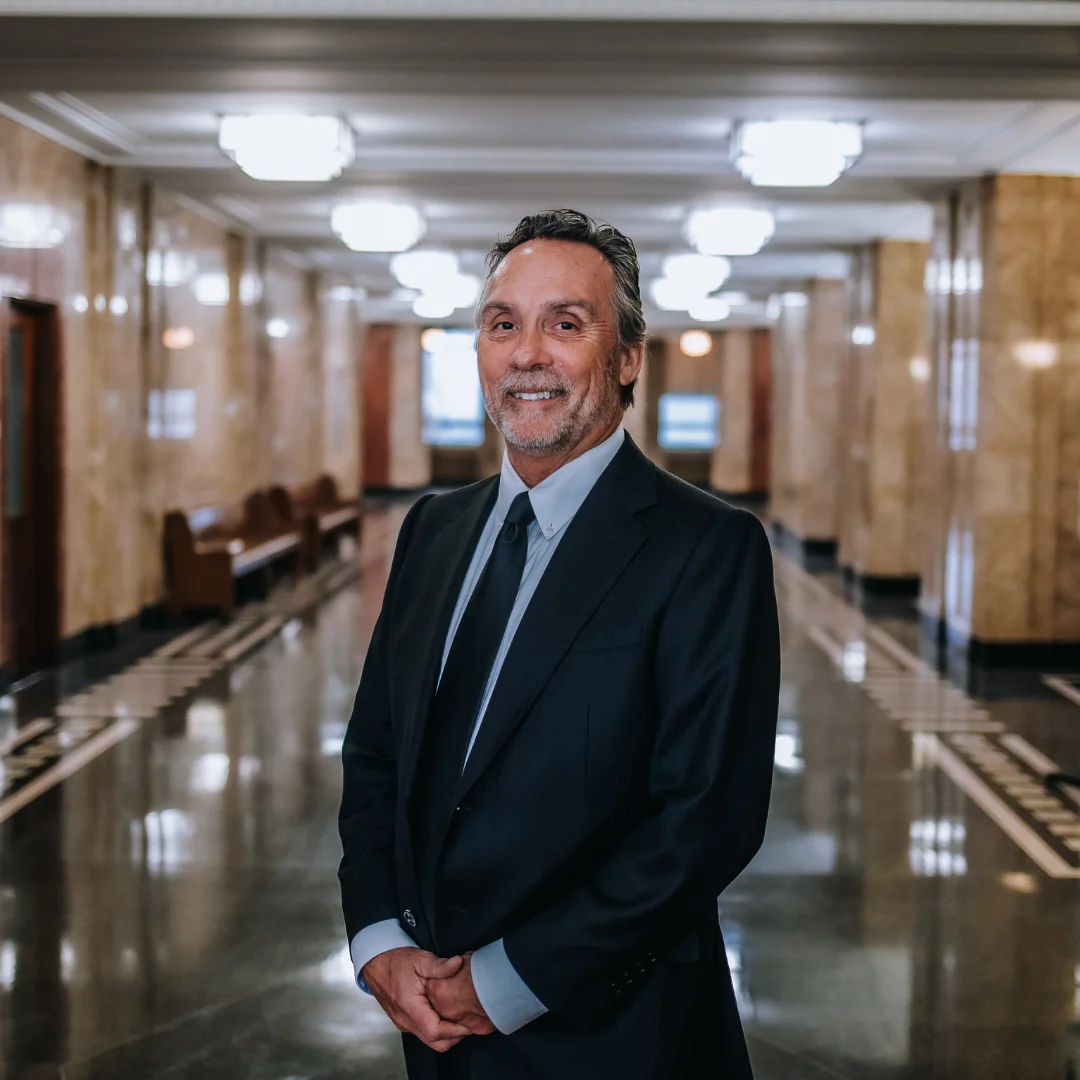

Krupp & Raboin Office Location
Learn About Your Legal Options
Take The Next Step and request your consultation.
Use the form below to email or call us at (314) 835-9999